Novel · 2020
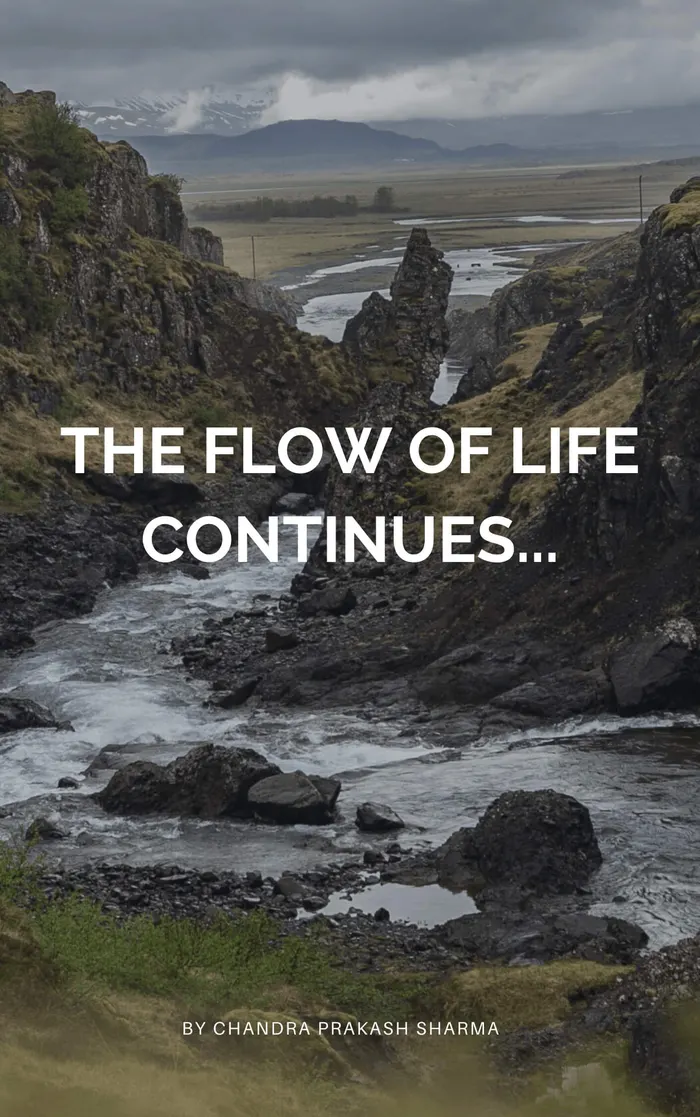
The Flow of Life Continues…
A tale of the continuity of life devised by nature, through ups and downs, set among the common middle-class people of Bihar, from the end of the nineteenth century to the early twenty-first.
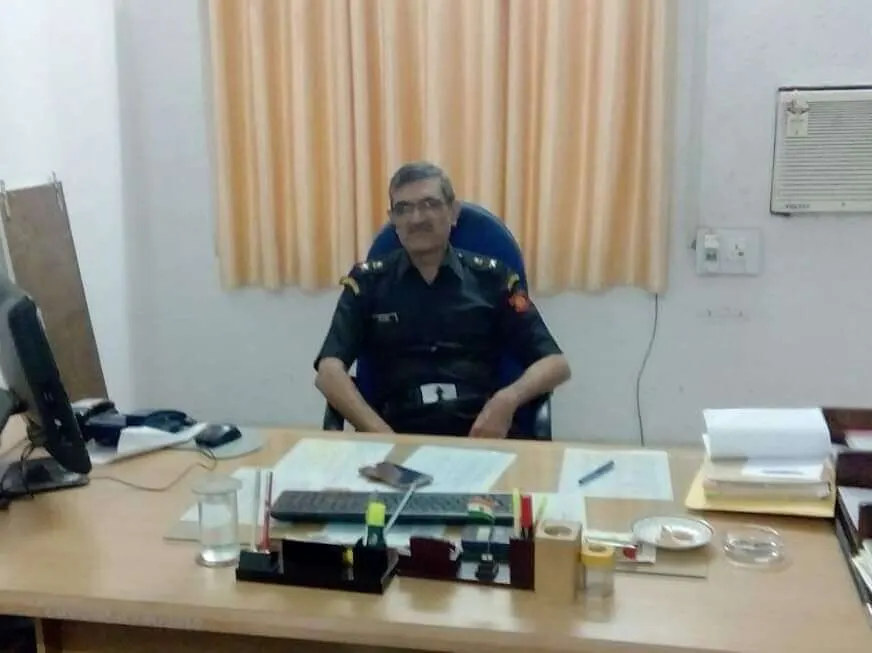
Retired public servant · Storyteller from Bihar, India
A lifetime of public service, and now the stories it left behind: ordinary families of Bihar, the turns that time takes, and a river near home that deserves to flow again.

The flow of life continues…
Books

Novel · 2020
A tale of the continuity of life devised by nature, through ups and downs, set among the common middle-class people of Bihar, from the end of the nineteenth century to the early twenty-first.
Short stories
A small collection of short stories, now being shared on Life & Other Stories.
On the blog →
About
Chandra Prakash Sharma spent his working life in public service. Since retiring, he has turned to the two things that stayed with him through it: the lives of everyday people, and the land and water of his home state, Bihar.
His novel, The Flow of Life Continues…, follows a middle-class Bihari family across more than a hundred years. It is a story about how life carries on, through good times and hard ones, in the way nature intends.
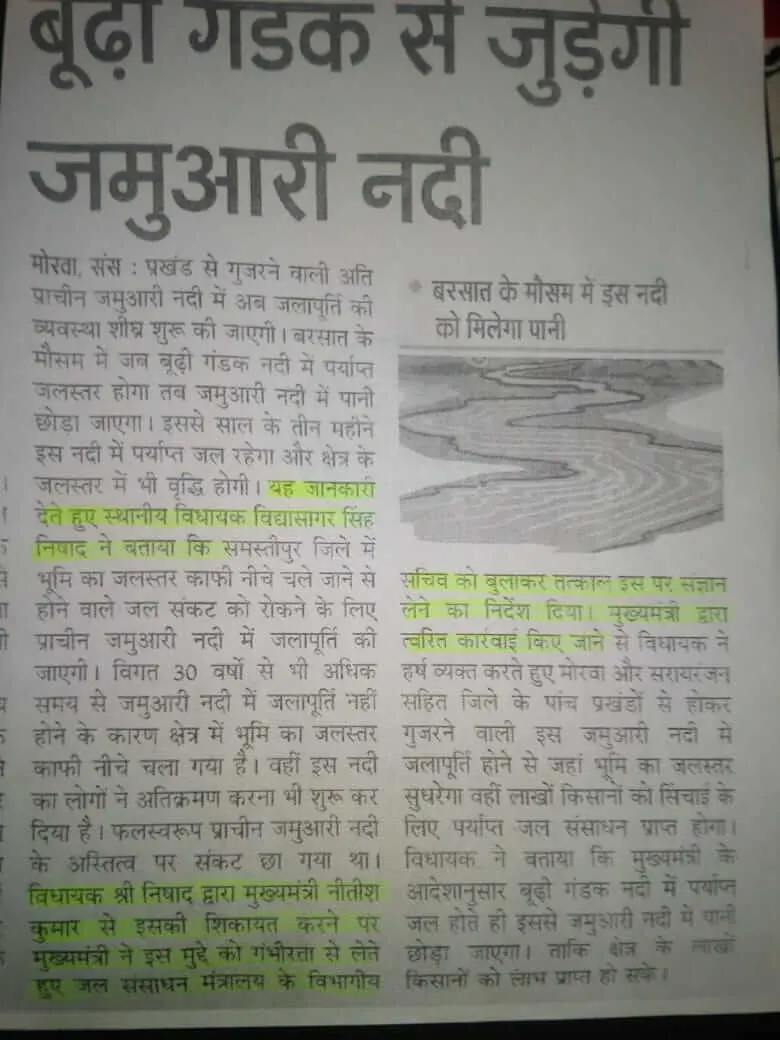
That same patience runs through his civic work. Since 2017 he has been making the case for reviving the Jamuari river, using what nature already gives instead of building new canals.
River project · Working on it since 2017
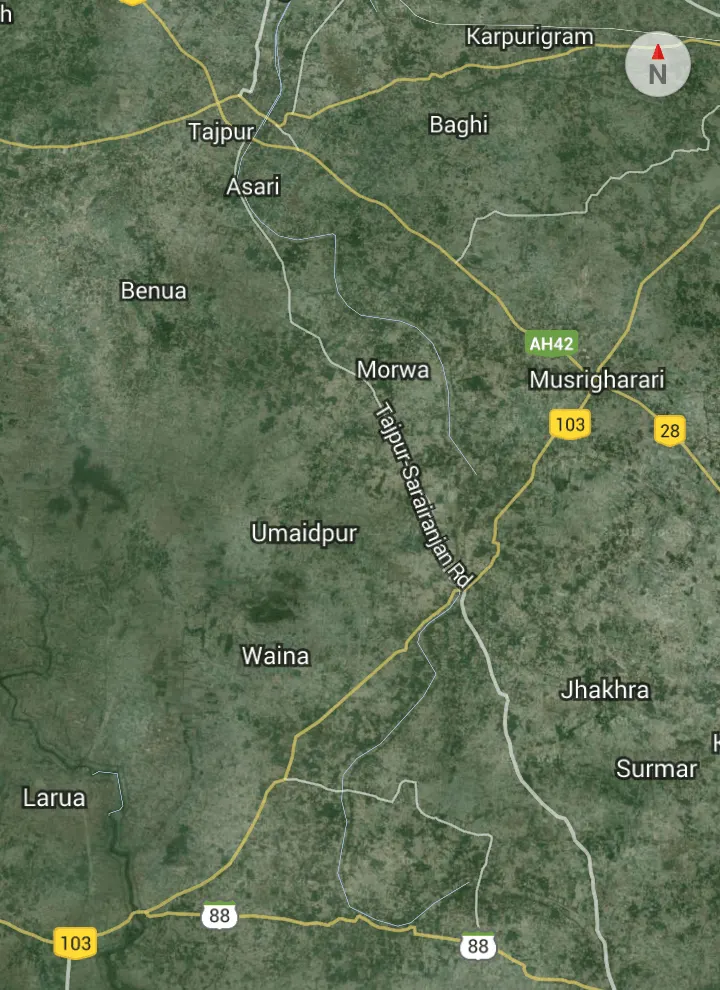
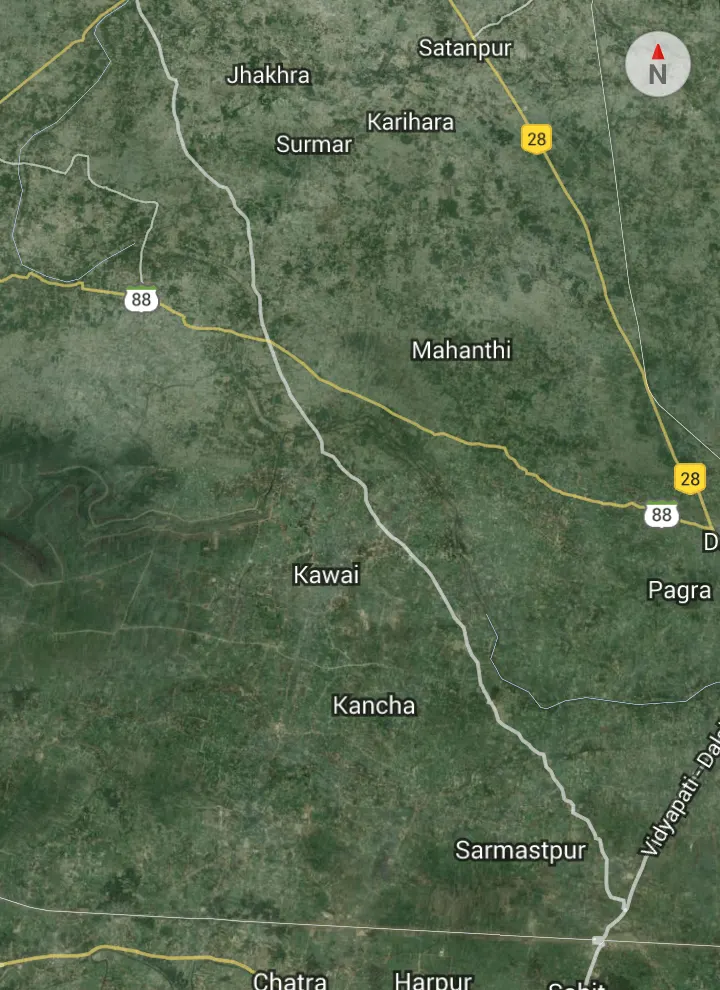
A distributary of the Burhi Gandak and a tributary of the Ganga, in Samastipur and Muzaffarpur, Bihar.

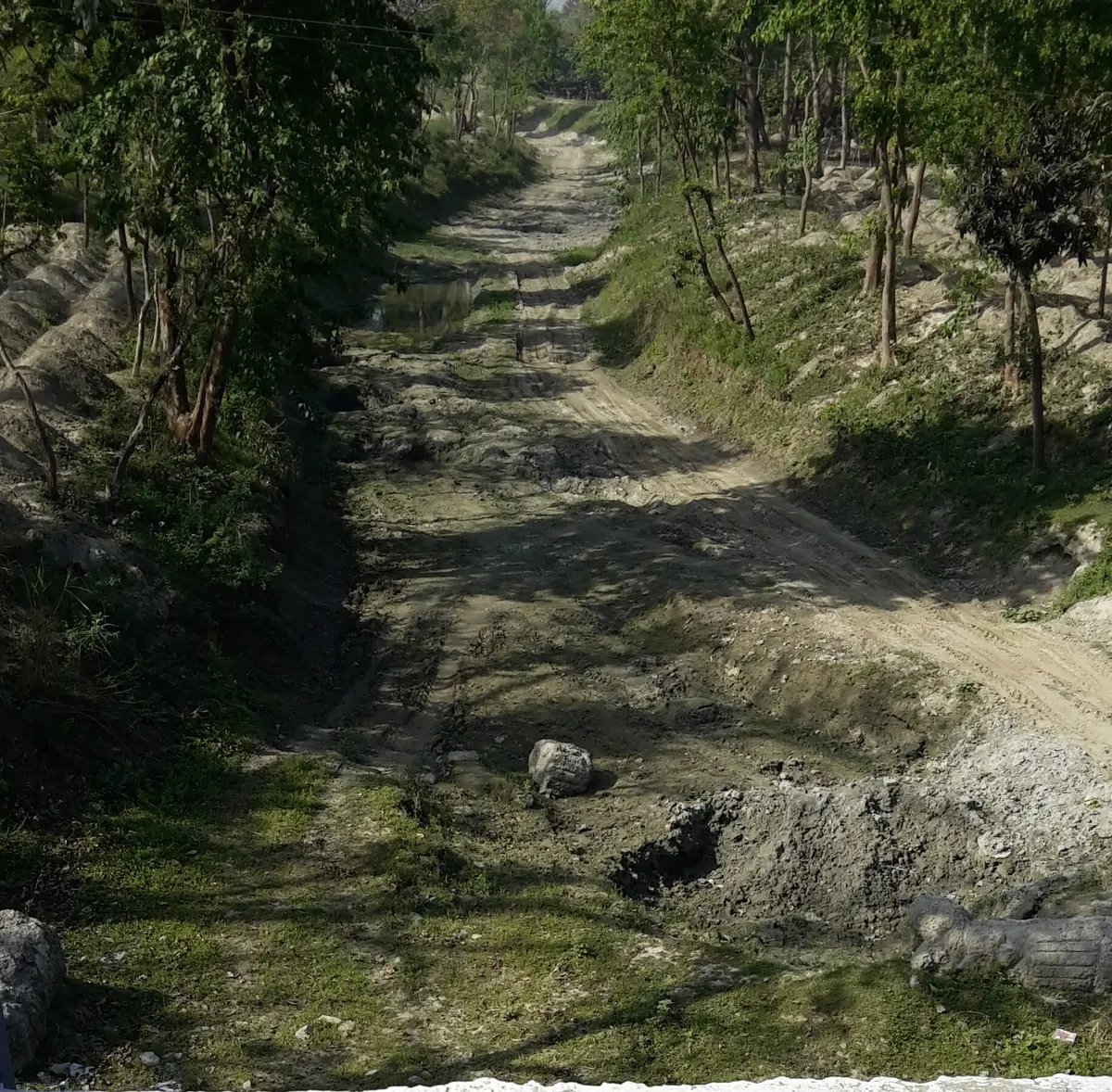
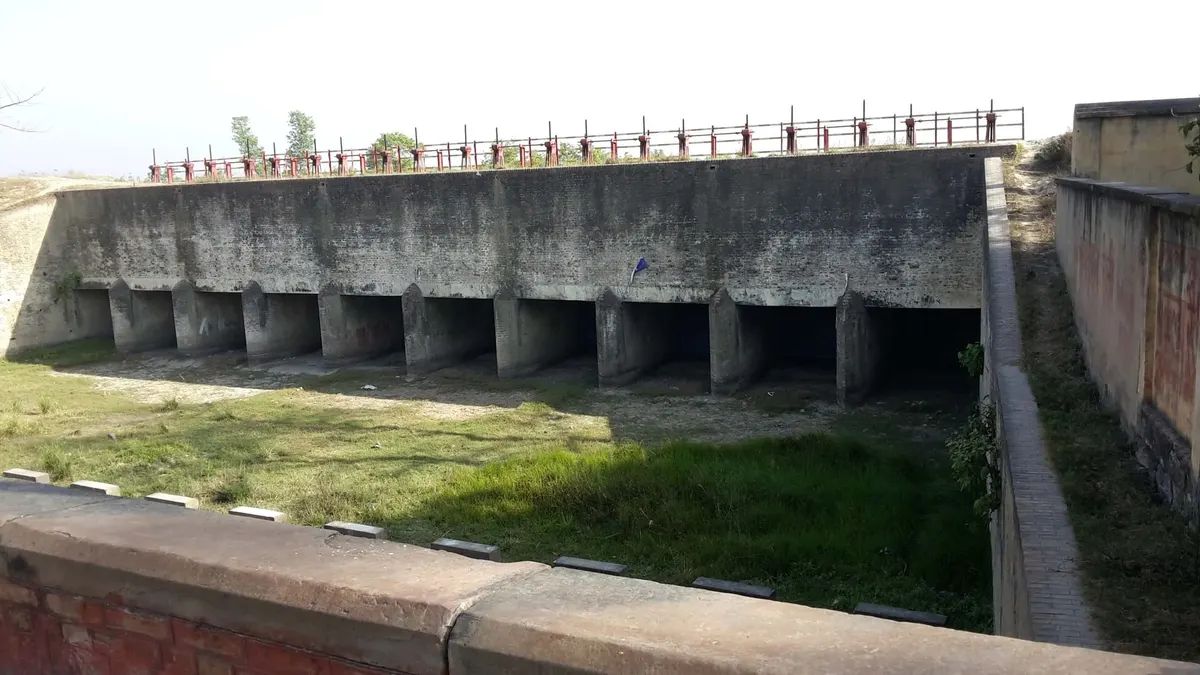
The Jamuari starts near Dholi Agriculture College in Muzaffarpur, where it is fed from the Burhi Gandak through ten vertical gates built to stop the floods that were common before 1965. Some years ago the Burhi Gandak shifted a few hundred metres away. The gates stopped opening, and today the Jamuari flows for only 2–3 months a year. It holds stagnant water for another 3–4 months and is dry for the rest.
Lift about 10 cusecs of water 9–10 metres, using roughly 300 HP of pumps, and the river could carry 160–170 litres a second from February to June. That would serve irrigation and cattle across 5–6 blocks. By comparison, the Ali Sagar lift on the Godavari raises 455 cusecs 75 metres to serve a smaller area.
No major silting or meandering has been seen along the route, and minor silting can be handled by panchayats under MGNREGA. New artificial canals are lucrative for some, but the wiser and cheaper path is to use the gift that nature has already given.
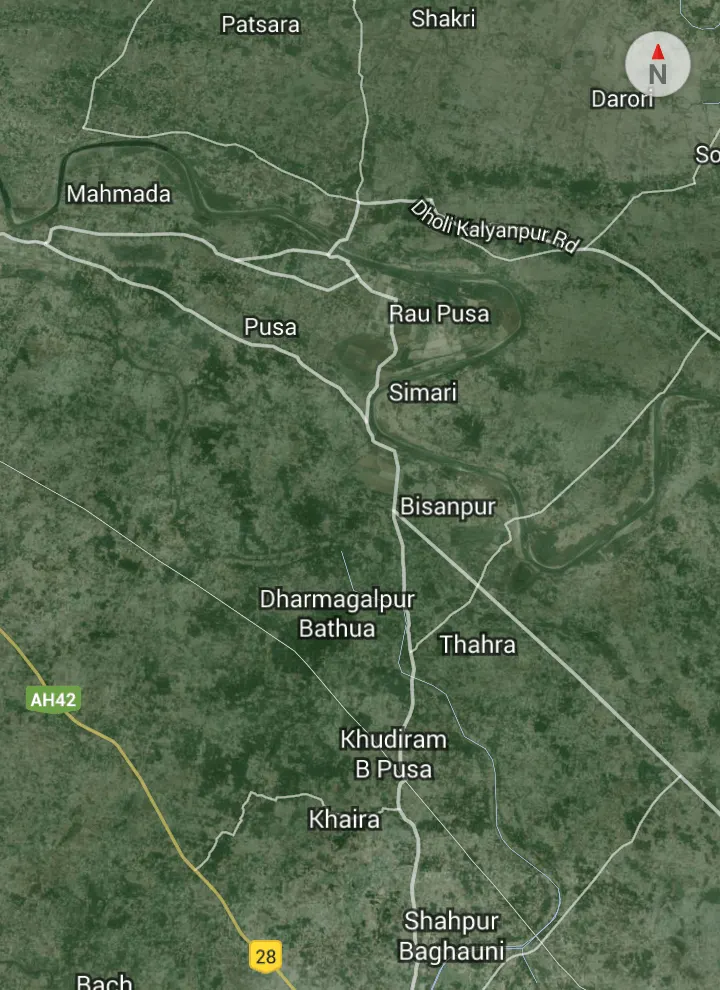
The river's course
Writing
Men of wisdom should prefer … utilising the gifts of nature.
New stories, essays and updates on the river appear first on Life & Other Stories, his blog. Subscribe there to get each new piece by email.
Contact
For readers, book clubs, journalists, and anyone who can help the Jamuari flow again.